

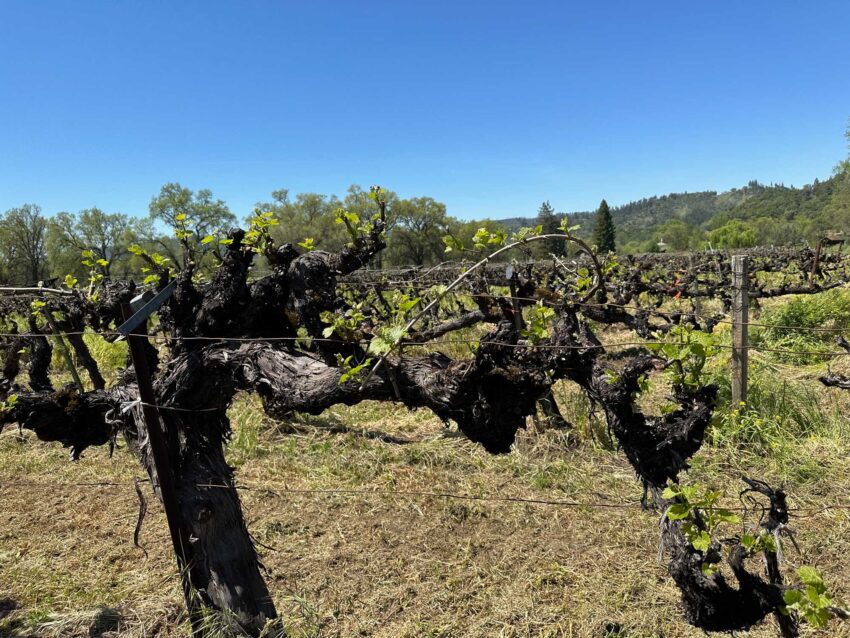
Earlier this month the Sonoma County Board of Supervisors declared the county’s farms and working lands “critical infrastructure” — as essential, the resolution says, as the systems that keep us fed, safe and watered. Then it set aside exactly zero dollars to protect them.
Let me be fair to the plan, because the ideas in it are good. The supervisors approved a 30-item workplan, built from a spring workshop with farmers and ranchers. It promises an incubator to help new and small growers get started, affordable long-term leases on land a working farmer can actually afford, more room to rotate crops and diversify, and looser rules on the farm stays, tastings and events that increasingly keep small operations alive. Supervisor Lynda Hopkins, who co-led the effort and whose district covers the apple country around Sebastopol, said the people who work the land “are doing everything they can to adapt, and they deserve County partners who are willing to work alongside them.” She’s right.
Here’s the problem. The plan is a to-do list, not a budget. It commits no money and not one new position, and its own environmental finding says it “does not commit the Board to any future course of action.” The land-use changes that matter most — the by-right rules and permitting fixes growers have begged for — are folded into a General Plan update that isn’t due until 2029. Asked where the money was, Hopkins told me straight: “This is not about funding. This is about how do we direct our policy resources to improve policies to support agriculture.” The one funding lever she could point to was steering some of the Ag and Open Space District’s existing sales-tax money toward incubator farms — a fine idea, but a redirection of money the county already has, not a new dime for the emergency in front of it.
And it is an emergency. The county’s own resolution lays out the damage: the value of what its farms produced fell 9.3 percent in a single year, 14 dairies are gone since 2018, 2,711 acres of vineyard came out in 12 months and the county has issued permits to pull more than 5,000 more — with no promise any of it goes back in the ground. Out where I live in Guerneville, in what’s left of the Gravenstein — an apple once grown on some 15,000 acres here, now down to a few hundred — Manzana, the last big apple processor and more than a century in business, is winding down its Sebastopol plant and moving to Washington. It’s an exit the company has pushed back more than once, but it’s underway, and soon a grower with a truckload of fruit will have almost nowhere local to send it.
That’s the timeline that matters, and it isn’t 2029. A farmer deciding this winter whether to pull apples and plant something that pays — or just sell to a developer — can’t eat a workplan. “Critical infrastructure” is the right phrase. But we don’t tell public works to fix the failing bridge “as policy resources allow” and check back in three years. We fund it, because we’ve decided the bridge isn’t allowed to fall.
So fund this one like we mean it. Put real money behind the incubator and the lease program in this year’s budget, not a someday redirection. Pull the permitting fixes that don’t need a full environmental review out of the 2029 plan and move them now. And count the workers: Gallo alone filed notice this year to cut 93 jobs across its North Bay wine operations, and the field hands losing hours as the vines come out don’t show up in any filing at all. They’re as much a part of this “infrastructure” as the land.
The supervisors did the hard part. They said out loud that Sonoma can’t be Sonoma without its farms. Now they have to decide whether they meant it — and the growers will know the answer the first time the county is asked to write a check.
Roger Coryell is a North Bay reporter who covers agriculture and the environment. He lives in Guerneville.