
The cows are leaving Point Reyes. The question now is what moves back in — and scientists and conservationists have an answer that starts with the beaver.
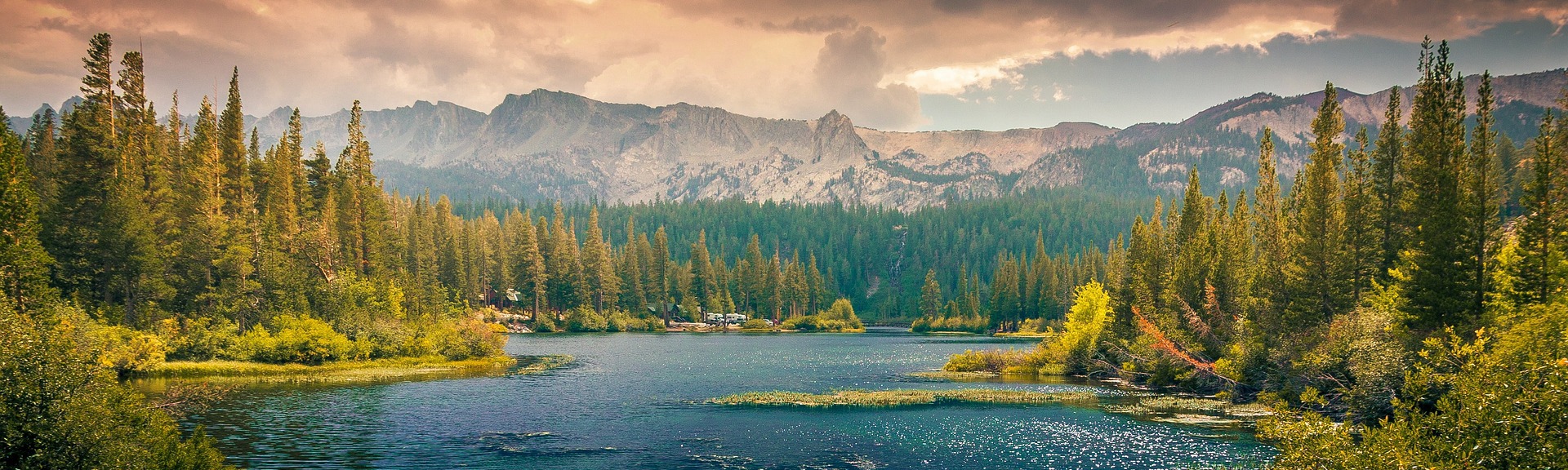
After a 2025 legal settlement that will end commercial ranching at Point Reyes National Seashore for the first time in nearly two centuries, the National Park Service is looking at rewilding roughly 17,000 acres of coastal bluffs, wetlands, prairies and forest. Advocates want to go further than letting the grass grow back: they want to bring native animals home, with beavers and sea otters at the top of the list as the keystone species that could rebuild whole ecosystems on their own.
Key takeaways
- A 2025 settlement will phase out commercial ranching at Point Reyes National Seashore, freeing up about 17,000 acres of former pasture.
- The National Park Service, working with The Nature Conservancy and area tribes, is weighing how to restore the land.
- Scientists have floated reintroducing seven native species — sea otter, beaver, pronghorn, Humboldt marten, fisher, porcupine and Douglas ground squirrel — with beaver and sea otter ranked as the highest-value “keystone” animals.
- Marin is the only coastal county north of the Golden Gate with no wild beavers; their return could rebuild wetlands and help threatened salmon.
Why the ranches are going
Ranching predates the Seashore itself. Many of the dairy and cattle operations were working the land before Congress created Point Reyes National Seashore in the 1960s, and they stayed on under agricultural leases. That arrangement ended with a 2025 settlement of long-running litigation: 12 ranches agreed to voluntarily wind down operations and leave, opening roughly 16,000 acres of federal public land to a new chapter. The Park Service is set to manage the vacated ground in partnership with The Nature Conservancy, with tribes taking a larger co-management role.
The case for beavers
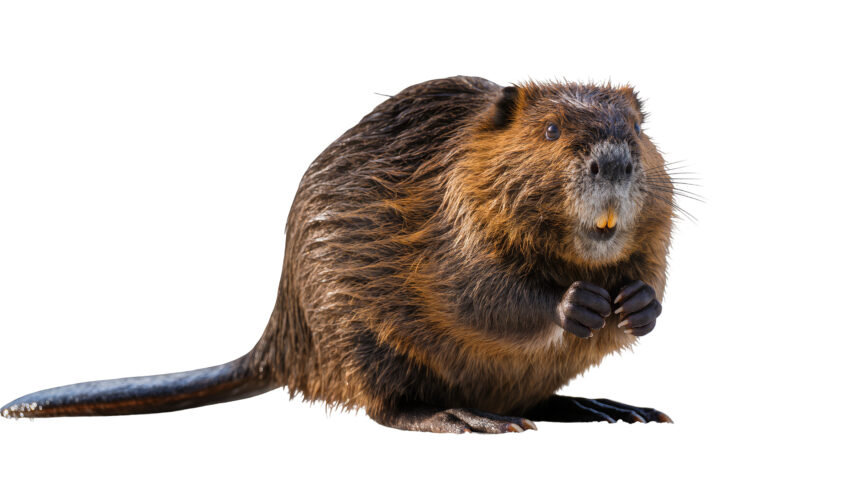
Of all the animals on the wish list, the beaver draws the most attention — because of what it does to water. Beaver dams spread streams into wetlands that store water, slow erosion, recharge groundwater and hold moisture deep into the dry season. That is exactly the kind of drought resilience the North Coast keeps saying it needs, and it comes with a fisheries bonus: the ponds are nurseries for native fish, including threatened coho salmon. Research from Oregon found that beaver ponds making up just 2.5% of a watershed’s habitat produced more than half of its coho smolts in a given year.
The hook for Marin is that it has none. The county is the only stretch of coast north of the Golden Gate without wild beavers, which makes Point Reyes a natural place to change that.
Not everyone agrees on the list
Rewilding sounds simple until you argue about which species count as “native.” Historical ecologist Richard Lanman has called Point Reyes “the perfect place” for reintroductions, citing its protected status and mild climate. Ken Bouley of the Turtle Island Restoration Network has framed the goal as enriching biodiversity rather than recreating “some millennia-ago ideal state.” But natural historian Jules Evens has cautioned that “there is no evidence that martens or fishers ever lived here” — a reminder that good intentions can outrun the record of what actually belonged on the peninsula.
There’s a precedent
Point Reyes has done this before. The tule elk reintroduced in 1978 started with 10 animals and grew past 700 by 2023 — proof the land can take wildlife back, and a caution too. Without cattle and without prescribed burning, managers will have to watch how much the land can feed. Pull one species out and you change the menu for the next.
For now the ranches are the news and the rewilding is the vision. The cattle agreed to leave. What takes their place — and whether the first new resident has a flat tail — is the Park Service’s call now.
Frequently asked questions
What is happening at Point Reyes?
A 2025 legal settlement will end commercial ranching at Point Reyes National Seashore, freeing roughly 16,000 to 17,000 acres of former pasture that the National Park Service plans to restore in partnership with The Nature Conservancy and area tribes.
Which animals could be reintroduced?
Scientists have proposed seven native species: sea otter, beaver, pronghorn, Humboldt marten, fisher, North American porcupine and Douglas ground squirrel. Sea otters and beavers rank highest as keystone species.
Why do beavers matter so much?
Beaver dams create wetlands that store water, recharge groundwater, reduce erosion and shelter native fish, including threatened coho salmon. Marin is the only coastal county north of the Golden Gate without wild beavers.