
CLEARLAKE OAKS, Calif. — Most of the California wine business spent this downturn pulling vines and trimming payroll. Brassfield Estate Winery bought land and hired salespeople.
The bet rests on a structure most producers gave up long ago: growing, bottling and producing everything it sells.
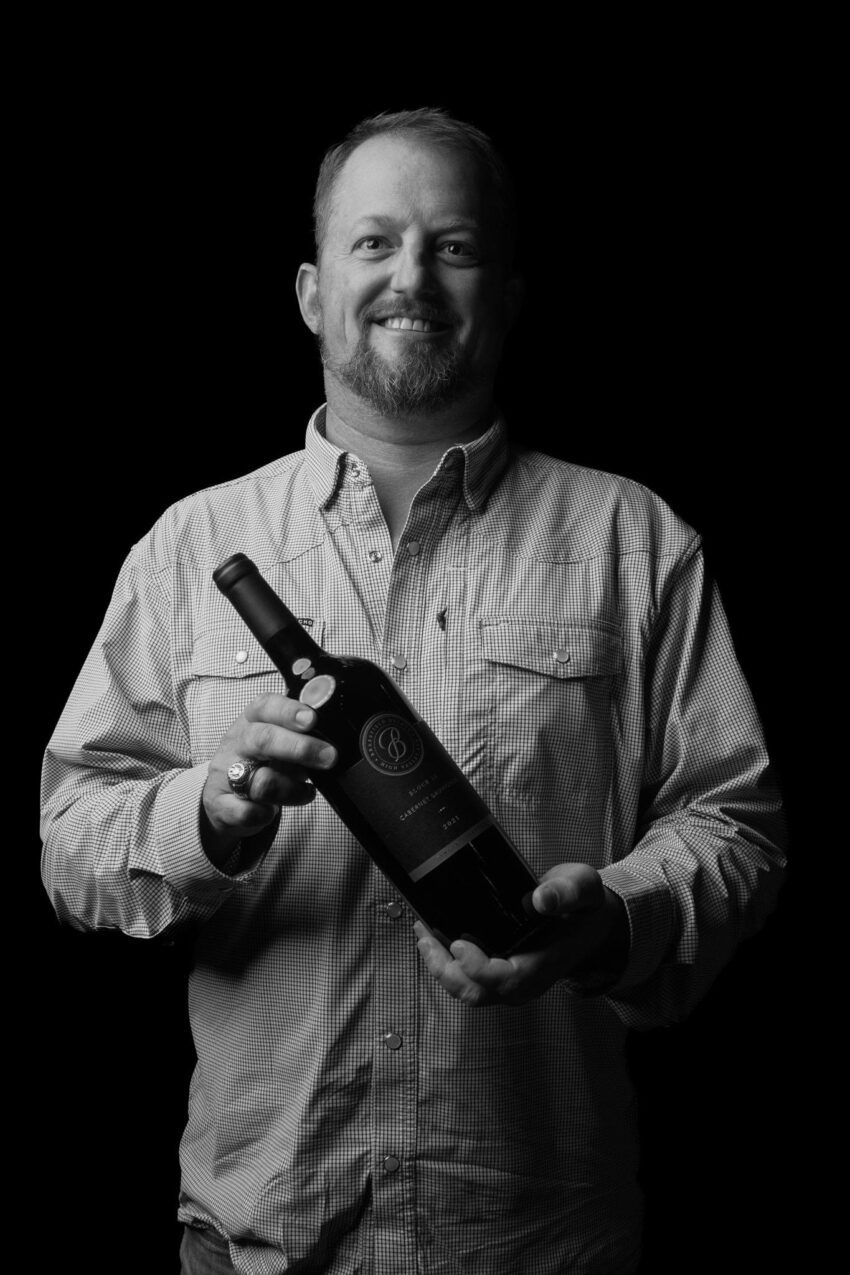
“Jerry is a believer that you kind of push all your chips in when no one else can,” said winemaker and vineyard manager Jonathan Walters, referring to founder Jerry Brassfield, who has owned the High Valley land for more than 50 years. “And he pushed his chips in during this downturn.”
The numbers are steep for a Lake County estate. Over three years Brassfield has hired about 14 salespeople, grown volume by double digits each year and gone national — into what Walters put at about 45 states. It’s predominantly an on-premise brand. Costco is its largest off-premise account.
What lets a mid-sized producer lean into a soft market is the estate model itself. Brassfield farms about 500 vineyard acres inside a 5,000-acre property and buys no outside fruit.
“We don’t buy anybody else’s fruit. We bottle, grow and produce everything here,” Walters said, “so we’re a little bit more insulated from this downturn.”
Control also buys flexibility when demand slips. “If we don’t need it, I prune it differently and it gets low tonnage,” he said. Tonnage per acre comes down across the property. “So we can kind of have it flow a little bit better than waiting for somebody to come along and buy our fruit.”
The estate has grown physically, too. Brassfield bought High Valley Ranch across the street and turned its conference center into cold wine storage, so finished inventory stays on the property.
One ambition organizes the rest of it. Ideally, Walters said, Brassfield becomes the largest estate-grown and estate-produced winery in California — “which there’s not many of those.” He recently asked wine-business scholar Liz Thach who the largest estate bottler was, and she couldn’t come up with anybody.
“I cannot find out anybody that’s over 100,000 cases that’s estate bottled and produced,” he said.
He named St. Supéry as a winery that used to qualify and, as he understands it, has started buying outside fruit. He flagged the limits of that: “This is the way I understand it, right? So I could be wrong there.”
To compete at national scale, Brassfield has leaned on precision farming. Valves run off Walters’ phone. Evapotranspiration sensors and soil-moisture probes meter water vine by vine. A Vineyard Robotics rig called FruitScope runs two cameras down the rows, counting clusters and reading canopy density and color. The winery is trying cover-crop crimping — terminate the cover crop, lay it down as a mat, seed the next crop on top — which Walters read up on via Sonoma’s Bedrock Vineyards, whose website he recommends. The crimper he is testing belongs to a friend.
“If we’re trying to compete on the national stage with KJ and Constellation and all these other guys that are heavy hitters and punch harder than us, we’ve got to be smarter and more efficient and more precise with every movement we do,” Walters said.
For a while the data outran the winery’s ability to use it. “We had way too much data,” he said, “but AI has done some giant leaps in the last year.”
The cellar pays it back in ways he didn’t plan for. Automated pump-over units on every tank let the winery run an extra pump-over when nobody is there, pulling more color out of the fruit. Hard-lined systems also cut water, because there’s far less hose to clean.
“Wine quality is no longer our issue,” Walters said. “Our issue is no one knows who High Valley is, no one knows where Lake County is.”
Geography compounds it. Most visitors reach High Valley only after driving through Napa, Sonoma or Mendocino. So does a deliberate choice about price. Where Napa chased high-net-worth buyers, Brassfield went after the everyday table. The flagship Eruption blend sells for $28, and club members take 30% off that.
“Jerry’s like, I want wine on the table every night,” Walters said. “And I don’t wanna drink $100 bottle of wine every night. I wanna drink multiple $20 bottles a night.”
Brassfield’s core wine sells by the glass across the country. “We saw Napa and everybody evacuating that price point,” Walters said, “and that’s what we went after.”
It has built a wine club just short of 1,000 people, with average tenure well over six years — many of them second-home owners from Sacramento and San Francisco who spend their time around the lake.
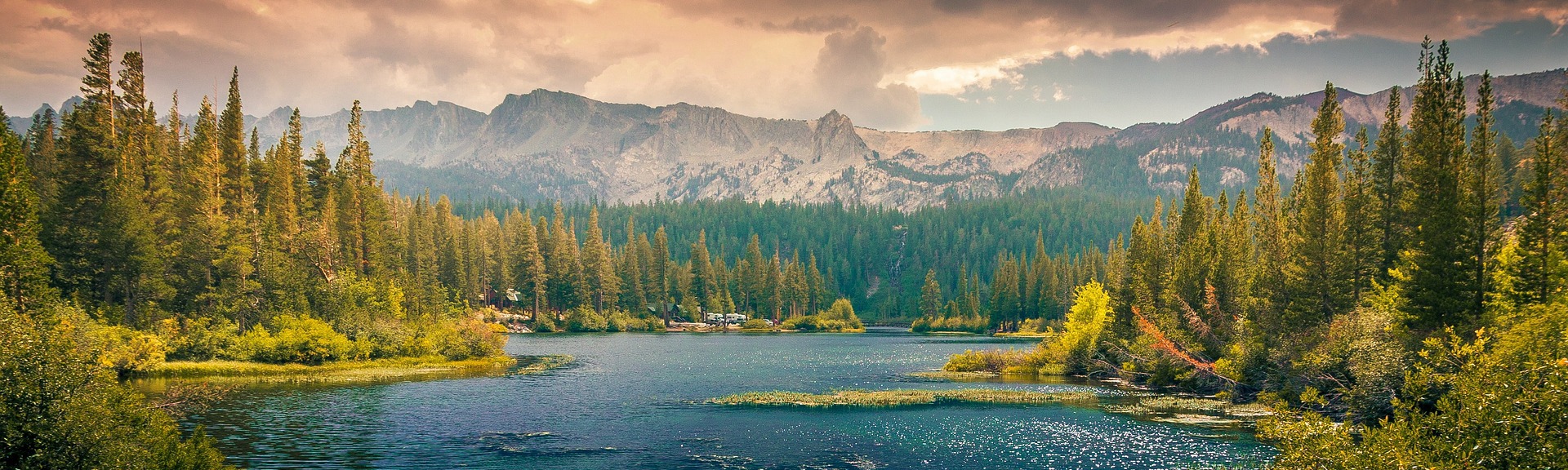
Walters tells the terroir story in the language of an agronomist, which is his training. The property sits below Round Mountain, a volcano less than 10,000 years old that dammed High Valley into a former lakebed. Red iron-rich volcanic soils build tannin, so the reds come in more tannic than Napa’s and the winery gives them more oxygen to soften them.
Water, the constraint squeezing growers in neighboring counties, is an advantage here. As other North Coast districts contend with new county groundwater agencies, Brassfield draws from shallow wells and more than 200 acre-feet of above-ground reservoir storage.
“You don’t have to hit the groundwater very hard,” Walters said, “because we have so much storage above ground.” A wet spring cut irrigation so sharply this year that the PG&E bill fell 30%.
On the newest Ridgeline plantings he put in drought-tolerant rootstock and has begun weaning blocks off irrigation, digging up a vine every couple of years to look at the roots. He wants those vines producing for 40 or 50 years, and has adopted Simonit pruning methods to hold off the wood-bore disease that he said is the real reason California vineyards get pulled and replanted.
“I would rather not ever have to replant,” he said.
Jerry Brassfield has owned this ground for more than half a century. It’s the only business he put his name on.
“He loves this 5,000 acres,” Walters said. “He has found the right people to take care of this … So when he’s gone, it’s gonna have to keep on going the same way.”