
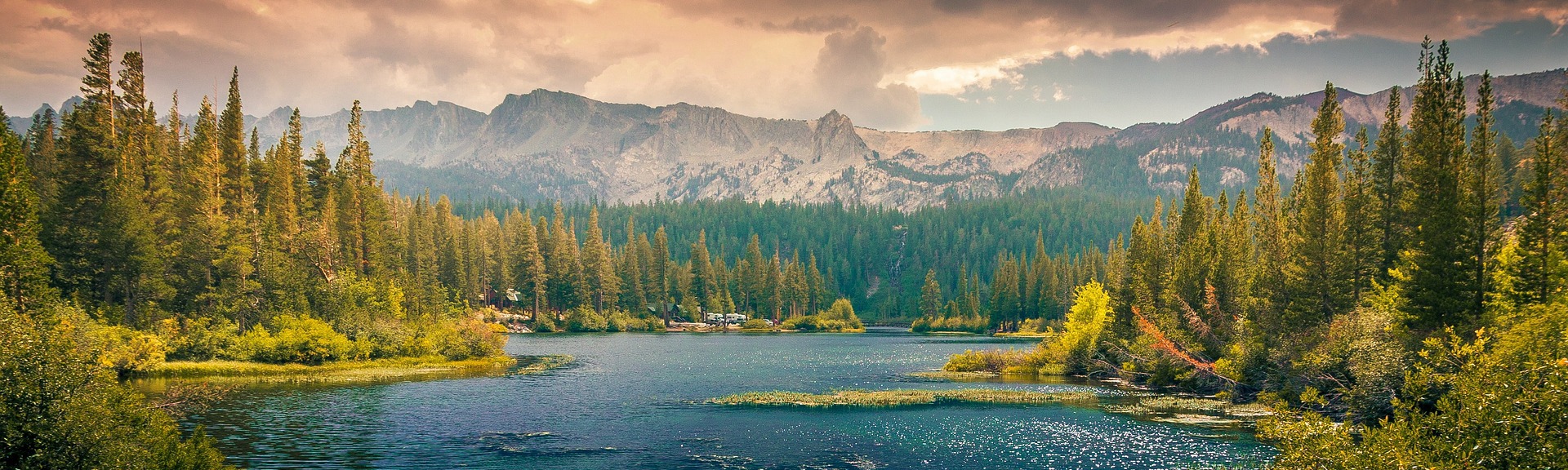
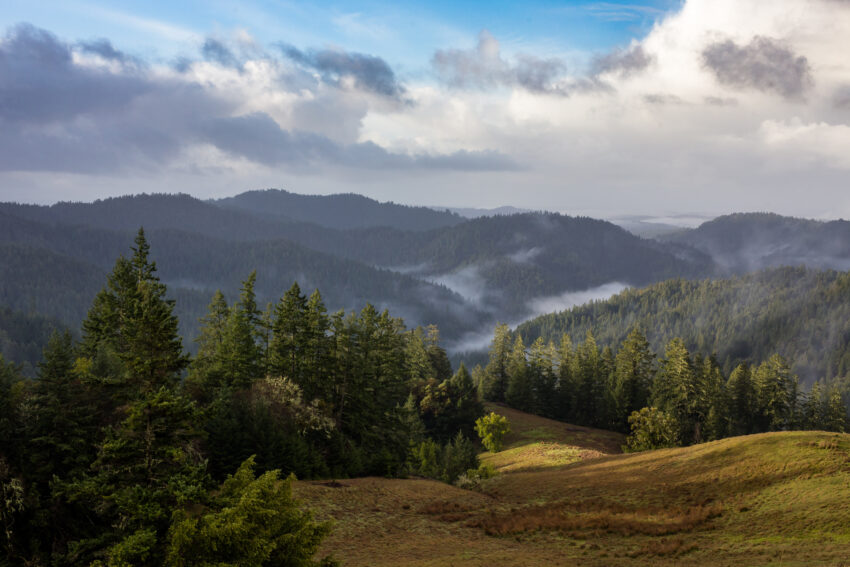
State law gives Cal Fire one bottom-line instruction for Jackson Demonstration State Forest, the 48,000-plus acres of redwoods between Willits and Fort Bragg: manage the land for “maximum sustained production of high-quality forest products.” On July 1, a state Senate committee voted to strike that instruction from the books.
The Senate Natural Resources and Water Committee passed AB 2494 on a 5-2 vote, with all five Democrats in favor and both Republicans opposed. The bill now goes to the Senate Appropriations Committee, the last committee between it and a Senate floor vote.
Assemblymember Chris Rogers, D-Santa Rosa, wrote the bill. Sen. Mike McGuire, D-Healdsburg, and Assemblymembers Damon Connolly and Rick Zbur signed on as coauthors.
What the bill would change
AB 2494 rewrites the marching orders for California’s 14 demonstration state forests — the working forests where Cal Fire tests logging methods, runs research and hosts campers and mountain bikers. Jackson is the largest by far.
The bill repeals the timber-first definition of “management” that has governed the forests for decades and replaces it with a new one built around restoring habitat, protecting biodiversity, building wildfire resilience and keeping the forests open for research and recreation. Logging would not stop. Timber sales would continue, but as a byproduct of restoration and research work — not the point.
The bill also declares it state policy “to respect California Native American tribal sovereignty and to seek opportunities for comanagement” of the forests, along with integrating tribal ecological knowledge into how they are run.
“Our demonstration state forest system contains precious old growth redwoods and allows for innovative research around wildfire resiliency and watershed restoration,” Rogers said in a statement when he introduced the bill in February.
Mendocino County Supervisor Ted Williams backed it in the same announcement, arguing the county needs the forest economy to change shape. By managing the forests for public access and climate resilience, “we can attract additional user groups such as mountain bikers, mushroom foragers, hikers, birdwatchers, and others to help steward our public lands and support resilient rural economies,” he said.
Buffie Campbell, executive director of the InterTribal Sinkyone Wilderness Council and an enrolled member of the Sherwood Valley Rancheria of Pomo Indians, said tribes have been “shut out of true co-management” of state forests since colonization and called the bill a major step toward changing that.
Who is fighting it
The timber industry and rural county governments want the bill dead. Rural County Representatives of California, which lobbies for 40 of the state’s rural counties, joined forestry and agriculture groups in opposition, and its argument is less about logs than about money.
Demonstration forests pay their own way now. Timber and recreation revenue flows into the Forest Resources Improvement Fund and comes back out to run the forests. The bill keeps that arrangement and adds the Timber Regulation and Forest Restoration Fund as a backstop — money for the forests “as a supplemental source, if necessary,” in the bill’s words, and slotted into that fund’s last priority tier. RCRC argues restoration-first management will shrink the timber revenue the forests live on, leaving them leaning on a backstop at the back of the line. The group also doubts recreation can replace timber money, and doubts Cal Fire — a fire and forestry agency — can build a recreation operation to match State Parks.
“They are not intended to function as state parks, nor should they be managed in a way that eliminates the core forestry practices they were created to study,” RCRC wrote in its position on the bill.
That argument has not slowed the bill much. It cleared the Assembly Natural Resources Committee 10-4 in March, Assembly Appropriations 11-4 in May and the Assembly floor 58-20 on May 26. The Senate amended it June 24 before the July 1 committee vote.
Three wine country counties, three forests
Jackson gets the headlines, but the demonstration forest system runs through this region. Boggs Mountain Demonstration State Forest covers about 3,500 acres in southern Lake County near Cobb. Las Posadas, at just under 800 acres in Napa County, is the system’s research-only forest, closed to the public. Whatever the Legislature decides about how these lands are managed, Mendocino, Lake and Napa counties will live with the answer.
The bill’s next test is the one that kills quietly. Senate Appropriations weighs what bills cost, and its suspense file is where lawmakers shelve legislation without a roll call. If AB 2494 survives August, it needs a Senate floor vote, Assembly agreement on the amendments and Gov. Gavin Newsom’s signature. Then the question that has defined Jackson for more than 75 years — how much timber can this land produce? — would give way to a different one: what else can it do?
FAQ
Does AB 2494 end logging in Jackson Demonstration State Forest?
No. Timber sales would continue, but as a byproduct of restoration and research projects instead of the forest’s primary purpose.
What happens next?
The Senate Appropriations Committee takes up the bill next, likely in August. If it passes there and on the Senate floor, the Assembly must agree to Senate amendments before it can go to the governor.
Why do opponents object?
Rural County Representatives of California and forestry groups argue the bill destabilizes the forests’ self-supporting funding and hands Cal Fire a recreation mission it is not built to run.